Advertisement Advertisement
Washington
Breaking News
Newsletter

Never miss a story.

Get the best of Washington DC Life in your inbox — free, no spam.

Latest News

Washington D.C. Navigates Economic Transformation Amid Regulatory Shifts

The capital city adapts to evolving financial landscapes through strategic governance and technological integration.

Anthony Smith

Anthony Smith

Feb 6, 2026
Washington D.C. Navigates Economic Transformation Amid Regulatory Shifts

Washington D.C. is embracing economic transformation, fueled by advanced technology and new regulatory strategies.


Mayor Muriel Bowser has unveiled policies to attract businesses and counter a potential loss of 40,000 federal jobs.


Tax breaks and relaxed environmental standards are set to boost construction and real estate, aiming to diversify the city’s economy and retain residents.


The financial sector is also evolving, with artificial intelligence reshaping internal systems and oversight, demanding clearer governance and transparency.


The Federal Reserve and Treasury Department are updating their approaches, monitoring innovative activities and digital assets more closely.


New legislation, such as the GENIUS Act, seeks to bring stability and clarity to digital currency markets with strict requirements for stablecoin issuers.


With major institutions investing in AI and technology firms modernizing financial infrastructure, D.C. is reinforcing accountability and fairness in its systems.


These strategic moves highlight a commitment to resilience and responsible growth in a changing economic environment.


Navigating Leadership: Lessons from Solo Circumnavigation and Washington D.C.'s Cultural Landscape

Exploring the Parallels Between Self-Governance at Sea and Institutional Stewardship in the Nation's Capital

Anthony Smith

Anthony Smith

Feb 6, 2026
Navigating Leadership: Lessons from Solo Circumnavigation and Washington D.C.'s Cultural Landscape

Washington D.C. thrives on systems that demand both discipline and long-term accountability, mirroring the high-stakes judgment required in solo circumnavigation.


Without outside enforcement, real success depends on internal governance and wise, pressure-tested decision-making—where one misstep multiplies quickly.


The city’s leaders recognize that durable progress is built on respecting limits and maintaining continuity, not simply reacting quickly or resetting after setbacks.


Recent changes highlight this ethos.


Under new leadership, the Washington Commanders have redefined their culture, prioritizing respect and lasting accountability.


Meanwhile, the DC Public Charter School Board outlined a strategic plan focused on equity and enduring partnerships through 2028.


Stewardship, sustained responsibility, and resilient systems remain key—reminding Washington that true leadership is measured by the strength of its governance, not fleeting achievements.

The Beatles' 1964 Arrival: A Cultural Phenomenon That Resonates in Washington DC

Reflecting on the enduring impact of The Beatles' U.S. debut and its lessons for today's cultural landscape

Anthony Smith

Anthony Smith

Feb 5, 2026
The Beatles' 1964 Arrival: A Cultural Phenomenon That Resonates in Washington DC

The Beatles landed in the United States on February 7, 1964, forever changing the musical and cultural landscape.


Their arrival sparked a cultural phenomenon, uniting Americans across backgrounds without official authority — just the power of music.


In Washington DC, a city built on influence, this moment highlights how transformative movements often arise from emotion and simplicity rather than formal planning.


Through melody and shared experience, music offered a rare connection, cutting through the noise of daily life in the 1960s.


February 7 remains a lesson in shaping collective attention with clear, inviting signals, not coercion.


The Beatles’ impact was inclusive, inviting enjoyment and participation, not uniformity.


Today, Washington DC carries on this tradition, with events like Alvin Ailey American Dance Theater and the Winter Skate Spectacular, reminding us of art’s enduring power to unite communities.

Aspirin's Enduring Legacy Reflects Washington D.C.'s Commitment to Public Health

The steadfast presence of aspirin mirrors the city's dedication to reliable and equitable healthcare systems.

Anthony Smith

Anthony Smith

Feb 5, 2026
Aspirin's Enduring Legacy Reflects Washington D.C.'s Commitment to Public Health

Washington D.C.’s character is rooted in enduring institutions and steady processes that persist through generations.


Aspirin’s long history in medicine quietly mirrors this tradition.


Rather than seeking authority, aspirin earned trust by consistently delivering relief, becoming a steadfast staple in hospitals, clinics, and homes.


Its subtle power came from reliability as much as from innovation, standing as a standard against which new medicines are judged.


Even as science transformed and governments shifted, aspirin’s dependable presence endured — much like D.C.’s resilient public health systems.


Landmarks such as the District of Columbia General Hospital and St. Elizabeths Hospital underscore a deep commitment to accessible, trustworthy care.


Policies like the DC Healthy Schools Act reflect the city’s dedication to equitable health.


In Washington, as with aspirin, true infrastructure is built on quiet continuity and earned trust.

Apollo 14's Legacy: A Blueprint for Washington D.C.'s Innovation and Infrastructure

Celebrating disciplined leadership and coordinated systems in the nation's capital

Anthony Smith

Anthony Smith

Feb 2, 2026
Apollo 14's Legacy: A Blueprint for Washington D.C.'s Innovation and Infrastructure

On February 5, 1971, Apollo 14 marked a breakthrough Moon landing, showcasing the heights of American innovation and collective expertise.


This achievement highlighted not just exploration, but also the crucial impact of reliable systems and effective leadership.


In Washington D.C., where science meets infrastructure, those lessons still shape the city’s ambitions.


The launch of the Children’s National Research & Innovation Campus stands as a hub for next-generation medical research, while Station DC supports startups in fields like artificial intelligence and chip design.


These initiatives echo Apollo's disciplined approach: careful planning, rigorous testing, and risk reduction.


The Mobility Innovation District in Southwest D.C. reflects this spirit by boosting access and building a mobility innovation hub.


For D.C., Apollo 14’s legacy is clear—progress comes from pairing big ideas with strategic process, building trust through consistency and action.


As the city grows, embracing these Apollo-inspired values remains vital for a resilient future.

Schema Markup: The Key to AI Understanding, Not Just SEO Rankings

Why Structured Data is Essential for AI Interpretation of Your Business

Anthony Smith

Anthony Smith

Jan 30, 2026
Schema Markup: The Key to AI Understanding, Not Just SEO Rankings

Many assume artificial intelligence understands websites like people do, but AI relies on structure to make sense of online information.


Schema markup acts as vital labeling for websites, telling AI what a business is—whether it’s a contractor, a clinic, or a local store.


Without schema, a site is practically invisible to AI; while humans can interpret content, AI needs explicit definitions to categorize and reference businesses accurately.


As Curtiss Witt of The Black Friday Agency puts it, schema isn’t about improving search rank, it’s about ensuring proper recognition by AI.


This distinction matters greatly.


If AI can’t confidently define a business, it excludes it from results, no matter the content’s quality.


Schema turns a website into a trusted reference, making eligibility for AI recommendations possible and reducing risks of being overlooked.


Clarity, not effort, is what AI ultimately rewards.

Electric Typewriters: Catalysts of Institutional Productivity in Washington, D.C.

How the advent of electric typewriters transformed office efficiency and information management in the nation's capital.

Anthony Smith

Anthony Smith

Jan 29, 2026
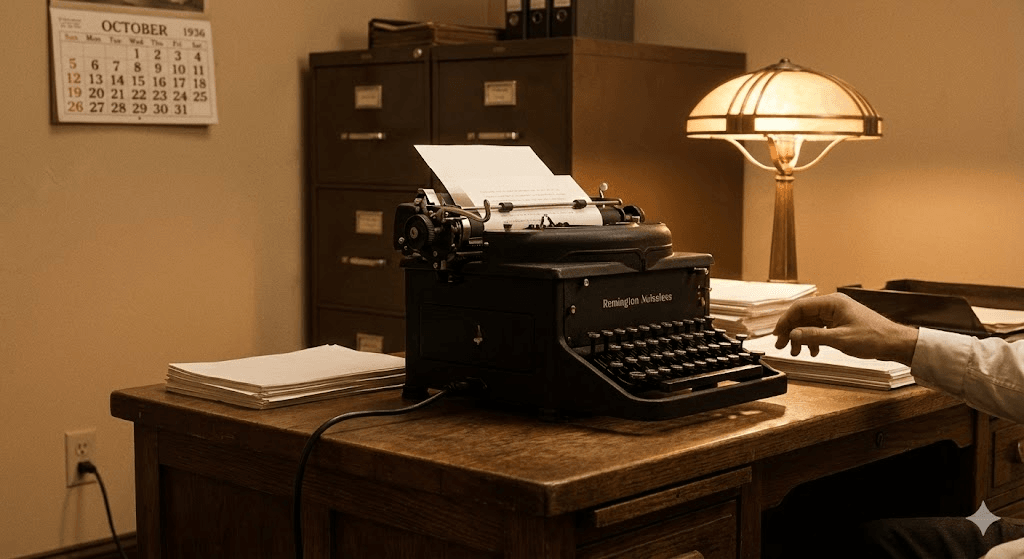
Electric Typewriters: Catalysts of Institutional Productivity in Washington, D.C.

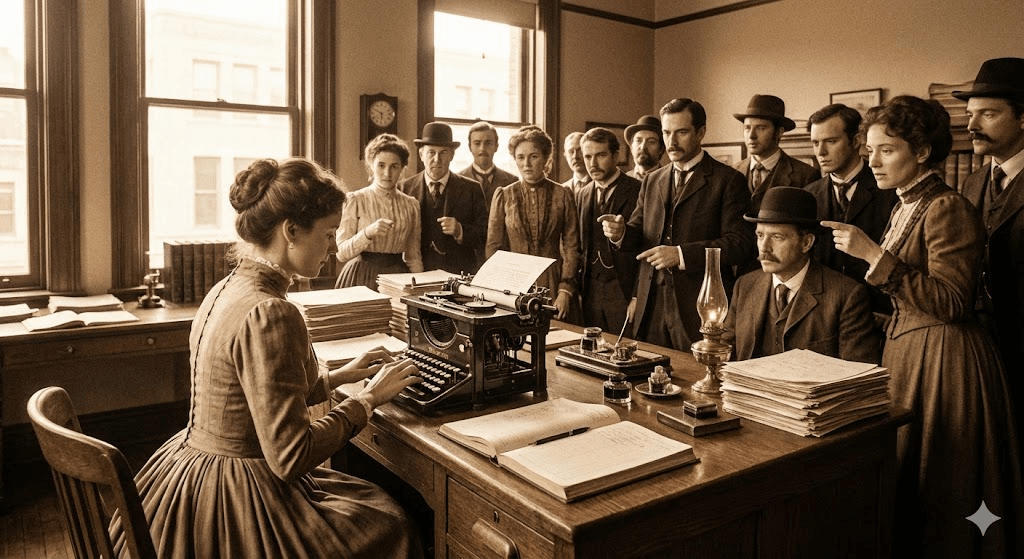
The arrival of the electric typewriter revolutionized office work in Washington, D.C., offering a dramatic boost in efficiency for government agencies and businesses.


By reducing manual effort and speeding up document production, these machines enabled organizations—like the U.S. Department of the Treasury in the 1950s—to manage rising workloads with greater ease.


This innovation improved the accuracy and consistency of official paperwork, a key factor in effective governance and policy-making.


The shift to electric typewriters sparked changes in workplace layouts, with modern desks replacing bulky roll-tops to better fit new technology and streamline daily routines.


This transformation highlighted the move toward smarter information management and a closer connection between people and their tools.


While computers now dominate, the influence of the electric typewriter lingers, reminding today’s institutions that true progress blends technology with human strengths.

Why AI Isn’t Recommending Your Business

Understanding AI Eligibility and Enhancing Your Business's Visibility

Anthony Smith

Anthony Smith

Jan 28, 2026
Why AI Isn’t Recommending Your Business

For years, online visibility meant having a website and showing up on Google.


Now, artificial intelligence is rewriting the rules.


Unlike people, AI doesn’t scroll or explore; it evaluates with precision.


Before suggesting a business to anyone, AI systems first decide if a business should be mentioned at all—based on a crucial standard: AI Eligibility.


This isn’t about popularity but clarity.


Can the AI quickly verify the business’s identity, offerings, and trustworthiness?


If details are vague, businesses are left out, regardless of quality or design.


Curtiss Witt of The Black Friday Agency highlights that AI “doesn’t guess” and won’t recommend what it can’t firmly identify.


The risk for businesses today isn’t poor marketing—it’s being overlooked by AI due to missing or unclear data.


Understanding AI Eligibility is now crucial for staying visible in a rapidly changing digital landscape.

Washington D.C.'s Digital Evolution: From Macintosh to Modern Innovations

Tracing the Capital's Journey Towards User-Centric Technology

Anthony Smith

Anthony Smith

Jan 28, 2026
Washington D.C.'s Digital Evolution: From Macintosh to Modern Innovations

The arrival of the Macintosh in 1984 transformed technology by focusing on user-friendly design and visual interfaces, opening digital access to people beyond IT specialists.


In Washington D.C., where precise communication is critical, this shift allowed local institutions to adopt digital tools widely while maintaining control and clarity.


Today, digital transformation continues to shape the region. In October 2025, the Greater Washington area launched Talent Capital, a novel platform that guides displaced federal workers with free job matching, reskilling, and coaching — blending technology with personalized support.


The Open Gov Hub, founded in 2012, offers a collaborative home for nonprofits advancing government transparency and civic engagement through technology and advocacy, reinforcing the city’s commitment to innovation.


Each effort affirms that technology succeeds when built around human needs, a legacy rooted in the ideals of the original Macintosh.

Washington DC's Communication Evolution: From 1915 to Today

Tracing the Impact of the First Transcontinental Call on Modern Governance

Anthony Smith

Anthony Smith

Jan 28, 2026
Washington DC's Communication Evolution: From 1915 to Today

The first transcontinental telephone call in 1915 transformed how vast organizations operated, making decisions much faster and more responsive.


For Washington, D.C., where swift and clear communication is essential to governance, this was a profound shift.


By allowing direct conversations across great distances, the technology helped unify the country and improve decision-making on a national scale.


The telephone added immediacy and subtlety to written records, letting leaders hear intent and urgency that text alone could not convey.


Over a century later, this legacy endures in the city’s ongoing focus on communication.


June 2025 saw Mayor Muriel Bowser reopen the Public Safety Communications Center after major upgrades, enhancing power, infrastructure, and resilience for emergency services.


Projects like DC-CAN further D.C.’s mission to provide affordable broadband, strengthening equity and trust citywide.


Washington’s investment in communication remains vital to its unity and effective governance.

Washington D.C.'s Commitment to Sustainable Innovation

Balancing Progress with Responsibility in the Nation's Capital

Anthony Smith

Anthony Smith

Jan 26, 2026
Washington D.C.'s Commitment to Sustainable Innovation

Large-scale innovation thrives only when it can endure beyond the moment.


January 26 serves as a reminder that real progress relies on ideas able to withstand the demands of responsibility and growth.


Washington, D.C. exemplifies this balance, measuring new solutions not by flash, but by their ability to seamlessly fit established systems.


Deliberate, well-grounded change fosters clarity and minimizes uncertainty, making coordination smoother.


Washington has built its reputation on turning promising ideas into stable, public-serving frameworks.


The message of January 26 echoes here: lasting progress is rooted in patience, accountability, and refining existing foundations instead of constant replacement.


Trust grows when innovation bolsters what already works.


In the nation’s capital, enduring creativity remains essential for the long-term impact residents and institutions expect.

Evidence-Based Policymaking Shapes Washington D.C.'s Future

Recent Initiatives Reflect a Commitment to Data-Driven Governance

Anthony Smith

Anthony Smith

Jan 22, 2026
Evidence-Based Policymaking Shapes Washington D.C.'s Future

In 1620, Francis Bacon revolutionized how knowledge is built with his Novum Organum, promoting discovery through observation and experimentation rather than deferring to tradition.


This mindset now shapes Washington, D.C., where policy must serve complex systems and a diverse population.


The city's leadership increasingly turns to data-driven approaches, testing and adapting policies in real time.


In November 2024, local voters embraced Initiative 83 to establish ranked-choice voting and open primaries to independents, signaling a strong push for more inclusive, reflective elections.


Yet challenges remain, as shown by selective funding decisions from the D.C. Council.


Pervasive change also comes through efforts like Initiative 82, which phased out the sub-minimum wage for tipped workers in 2022, guided by data on economic impact and popular support.


Adaptive governance, rooted in disciplined inquiry, keeps D.C.'s policies effective and responsive, proving that learning and evolving are central to the city's leadership.

Washington, D.C.'s Quiet Innovations: Enhancing Quality of Life Through Infrastructure

From historic advancements to modern developments, the capital's commitment to reliable systems continues to shape daily life.

Anthony Smith

Anthony Smith

Jan 22, 2026
Washington, D.C.'s Quiet Innovations: Enhancing Quality of Life Through Infrastructure

The arrival of the self-contained electric refrigerator in 1913 transformed daily living, much like modern infrastructure is shaping Washington, D.C. today.


The city’s dedication to seamless, behind-the-scenes improvement is clear in projects like the Northeast Boundary Tunnel, completed in 2024.


This 5.1-mile tunnel dramatically reduced flooding risk in neighborhoods such as Shaw and Bloomingdale, decreasing the odds of annual flooding from 50% to just 7%.


Washington’s commitment extends to the environment—the Anacostia River, long troubled by pollution, now benefits from a $3.29 billion sewer overhaul that has cut sewage overflows by 91% since 2018.


Transportation is advancing too, with the Metropolitan Branch Trail expansion promising safer cycling options by 2025.


These steady, often unseen upgrades deliver vital stability and reliability, quietly enhancing D.C.’s livability for everyone.

Washington D.C.'s Legacy of Communication Innovation: From Air Mail to Modern Infrastructure

A Century of Advancements in Speed and Reliability

Anthony Smith

Anthony Smith

Jan 22, 2026
Washington D.C.'s Legacy of Communication Innovation: From Air Mail to Modern Infrastructure

The first air mail service launched in 1911 revolutionized the way critical information traveled, transforming coordination and decision-making for institutions reliant on fast delivery.


In Washington, D.C., known for its demand for swift, clear communication, this leap in speed and planning reset expectations for efficiency and reliability.


Air mail’s legacy—uniting speed with organized systems—proved that infrastructure can solidify, rather than destabilize, governance.


The meticulous organization of early air mail operations set a benchmark that still guides how large-scale systems develop across the District.


Recent milestones build on this history.


Mayor Muriel Bowser’s reopening of the upgraded Public Safety Communications Center in June 2025, following an $18.5 million modernization, and new plans by the National Park Service to boost telecommunications coverage on the National Mall, exemplify Washington’s commitment to resilient, future-ready communication networks.


These steps reinforce the city’s leadership in institutional communication today.

Washington, D.C.'s Creative Institutions: Weaving Shared Narratives into Cultural Identity

Recent Developments Highlight the City's Commitment to Storytelling and Cultural Infrastructure

Anthony Smith

Anthony Smith

Jan 22, 2026
Washington, D.C.'s Creative Institutions: Weaving Shared Narratives into Cultural Identity

Washington, D.C. sees storytelling as a powerful force shaping its culture and sense of community.


Mayor Muriel Bowser recently honored the city’s vibrant creative community by hosting the 40th Annual Mayor’s Arts Awards at the historic National Theatre.


These celebrations emphasize the city’s commitment to amplifying diverse artistic voices and building a dynamic cultural scene.


The Anacostia Arts Center is undergoing a transformative renovation, aiming to become a reimagined gathering place for artists, local businesses, and residents while helping strengthen the neighborhood’s cultural heart.


The DC Commission on the Arts and Humanities has also unveiled plans for ArtWeek DC, a major international art event launching in September 2025.


This initiative aspires to position Washington, D.C. as a true global cultural hub, spotlighting local creativity on the world stage.

Washington D.C. Embraces Innovation Through Policy Experimentation

Recent initiatives highlight the capital's commitment to practical breakthroughs and systems improvement.

Anthony Smith

Anthony Smith

Jan 16, 2026
Washington D.C. Embraces Innovation Through Policy Experimentation

The accidental invention of the first artificial sweetener in 1879 illustrates a timeless insight: significant progress often springs from experimentation, not certainty.


Washington D.C. showcases this spirit with a strong focus on innovation and practical discovery.


Recent efforts underscore this commitment.


In October 2024, Mayor Muriel Bowser awarded $1.8 million to support 17 local startups through the Inclusive Innovation Equity Impact Fund, giving a crucial boost to entrepreneurs who face early-stage funding obstacles.


Building on this approach, the DC Venture Capital Program—launching with $26 million in early 2025—prioritizes budding tech companies led by underrepresented founders.


These targeted investments drive incremental progress, shaping a more dynamic and equitable local economy.


The city’s adoption of ranked-choice voting and open primaries through Initiative 83 demonstrates an ongoing push for system improvements and responsive governance.


This embrace of policy experimentation shows how deliberate, innovative changes can spark enduring, positive shifts in society.

Washington, D.C. Honors Martin Luther King Jr. Day with Community Service Initiatives

Residents Engage in Public Service to Uphold Civic Responsibility and Shared Leadership

Anthony Smith

Anthony Smith

Jan 15, 2026
Washington, D.C. Honors Martin Luther King Jr. Day with Community Service Initiatives

Washington, D.C. honors Martin Luther King Jr. Day on January 19, 2026, with widespread dedication to public service and civic responsibility.


Community members unite in projects focused on shared leadership and building institutional trust.


The George Washington University spearheads its annual MLK Day of Service and Leadership, where participants engage in hands-on service and leadership development.


This gathering promotes the conviction that collaborative efforts strengthen the city’s social fabric.


Meanwhile, Unity of Washington, D.C. invites residents to join “Beautify, Build, Belong – Serving Together in Love,” revitalizing their community through work like painting and organizing.


Nearby, Rockville’s celebration spotlights “Reclaiming the Dream: Justice, Equity, and Action” with forums on inclusive governance and systemic change.


Through these observances, local residents reaffirm Dr. King’s enduring legacy by embracing active participation and collective action.

Visual Storytelling's Evolution in Washington, D.C.: From Comic Strips to Modern Media

Exploring the Impact of Visual Communication on Public Messaging and Cultural Expression

Anthony Smith

Anthony Smith

Jan 15, 2026
Visual Storytelling's Evolution in Washington, D.C.: From Comic Strips to Modern Media

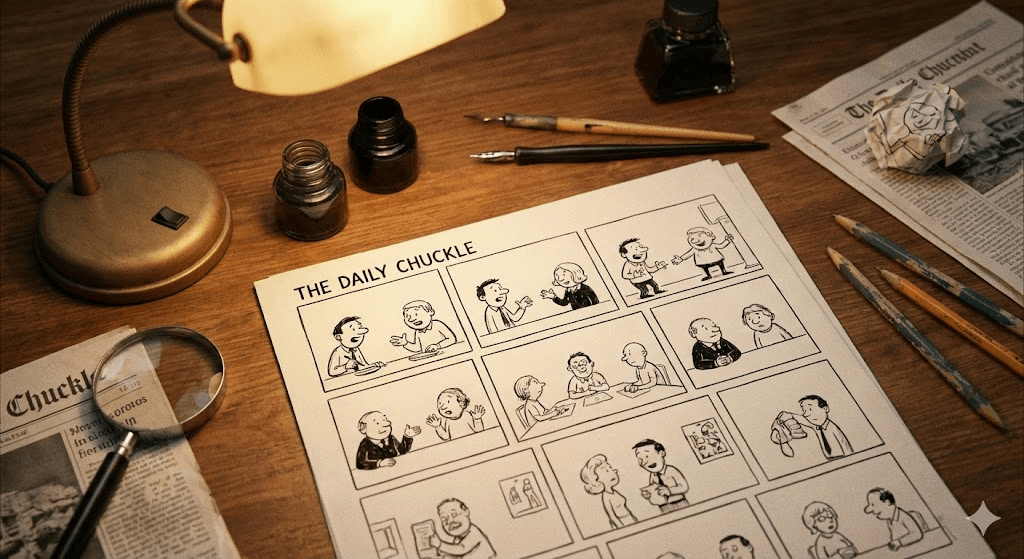
The launch of the first comic strip in 1896 transformed communication, proving that visuals could powerfully enhance how messages are shared.


Newspapers quickly embraced this, pairing images with stories to reach and impact more readers.


In Washington, D.C., a hub of public messaging, this approach highlighted the lasting value of clear, accessible communication.


Visual storytelling—especially in comics—streamlined complex issues, making them easier to understand and remember.


Today, this strategy lives on as the city adapts new visual tools.


Programs like the Department of Buildings’ Vacant-to-Visual initiative enliven vacant areas with art, community spirit, and even digital works via NFTs, while The Washington Post’s expanded Visual Forensics team delivers news through advanced imagery and analysis.


D.C.’s ongoing investment in visual communication shows that capturing attention and fostering engagement are more vital than ever.

Washington D.C.'s Radio Legacy: Shaping Public Communication

From Early Broadcasts to Modern Media Evolution

Anthony Smith

Anthony Smith

Jan 15, 2026
Washington D.C.'s Radio Legacy: Shaping Public Communication

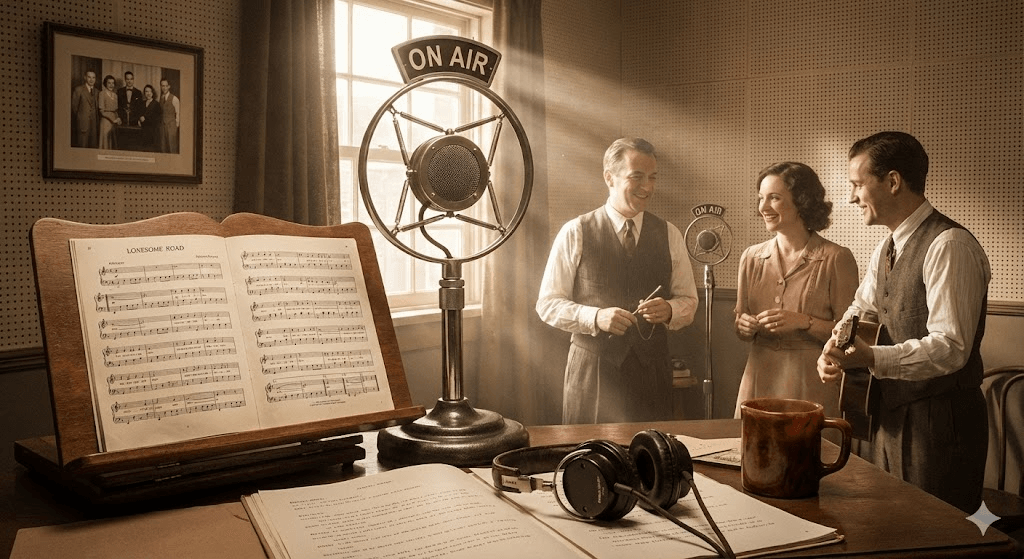
The first public radio broadcast in 1910 marked a turning point, as messages and performances could reach wide audiences all at once, forever changing how communities shared information.


Washington, D.C. has always been at the forefront of effective communication. Radio gave the city new tools to spread news quickly and clearly, strengthening transparency, public engagement, and trust in local institutions.


This innovation still shapes how leaders and citizens connect, making broad participation possible without gathering in person.


The city’s vibrant radio tradition includes major stations such as WAMU, a key NPR outlet since 2007, the all-news powerhouse WTOP-FM, and WPFW, which champions jazz and social justice.


Recently, Mayor Muriel Bowser reopened the Public Safety Communications Center after major upgrades, reinforcing D.C.'s commitment to keeping its residents informed and safe. Radio’s legacy of connection continues through these modern advances.

Washington, D.C. Embraces Digital Tools to Enhance Government Efficiency

From Typewriters to AI: The Evolution of Communication in the Nation's Capital

Anthony Smith

Anthony Smith

Jan 12, 2026
Washington, D.C. Embraces Digital Tools to Enhance Government Efficiency

The introduction of the typewriter in 1868 transformed how institutions managed information, bringing new speed and precision to official work.


In Washington, D.C., renowned for its pivotal role in governance, this push for efficient communication laid the groundwork for ongoing innovation.


Today, the District’s Innovation Team (i-Team) within the Office of the Chief Technology Officer exemplifies this spirit, using data analytics and a user-centered approach to collaborate on improving local government efficiency.


Initiatives like DC Community Access Network (DC-CAN) provide robust broadband to hundreds of community institutions, highlighting a commitment to digital equity.


The Open Gov Hub drives transparency and collaboration among civic organizations, while the 10x program empowers public servants to develop tech-focused solutions benefitting residents.


Washington, D.C. continues evolving from mechanical tools to digital platforms, ensuring its commitment to effective, modern governance in a connected world.

Washington, DC's Transit Evolution: From Electric Streetcars to Modern Mobility

Tracing the city's journey from 1888's electric streetcars to today's dynamic transportation landscape

Anthony Smith

Anthony Smith

Jan 9, 2026
Washington, DC's Transit Evolution: From Electric Streetcars to Modern Mobility

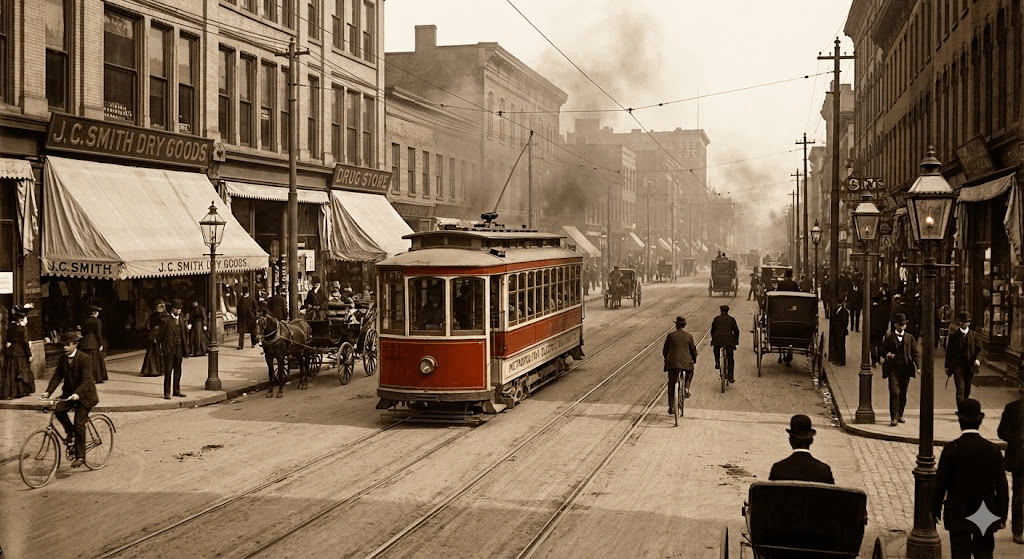
The arrival of electric streetcars in Washington, DC in 1888 transformed the city’s mobility, bringing efficient and reliable movement that shaped its very structure.


Streetcars connected neighborhoods and central institutions, expanding access to jobs and public life while supporting economic growth.


Washington’s layout today still echoes these early innovations, with transit corridors influencing daily life, density, and development.


Transit remains essential, as demonstrated by recent changes: the DC Circulator will be phased out by December 31, 2024, reflecting efforts to modernize the public transportation network.


WMATA’s major upgrades—including faster trains, longer hours, and the new “Better Bus” network—are designed to meet rising demand without fare hikes.


Massive new investments, starting in 2028, aim to ensure safe, reliable transit for the entire region.


Washington, DC’s commitment to mobility remains as strong as ever, continually evolving to connect and serve its people.

The Typewriter's Role in Shaping Washington, D.C.'s Administrative Evolution

How a 19th-century innovation transformed government operations in the nation's capital

Anthony Smith

Anthony Smith

Jan 9, 2026
The Typewriter's Role in Shaping Washington, D.C.'s Administrative Evolution

The arrival of the typewriter in late 19th-century Washington, D.C. marked a turning point for government administration.


James O. Clephane, a noted court reporter, championed this change by seeking better ways to handle the growing mountain of paperwork.


Collaborating with inventors, Clephane helped shape the machine that soon revolutionized legal and official documentation.


The typewriter’s speed and accuracy met the city's demands for precise government records, laying the groundwork for modern workflows.


Handwritten ambiguity faded, replaced by clear, uniform type — ensuring easier collaboration between departments.


More than just efficiency, the typewriter preserved the fidelity of records, crucial for government transparency.


This breakthrough allowed federal offices to scale operations without losing consistency or reliability.


Ultimately, the typewriter didn’t redefine democracy, but it made the steady, detailed work of governing possible in a growing capital.

The Ballpoint Pen's Quiet Revolution in Washington, DC's Civic Systems

How a Simple Invention Streamlined Governance and Documentation

Anthony Smith

Anthony Smith

Jan 8, 2026
The Ballpoint Pen's Quiet Revolution in Washington, DC's Civic Systems

The 1888 advent of the ballpoint pen may seem minor, but its influence on Washington, DC’s governance has been profound.


In the nation’s capital, reliable documentation is power.


The ballpoint pen’s simple innovation—resisting smudges and leaks—brought efficiency and clarity to the paperwork that fuels lawmaking and policy.


Its neutrality enabled swift, unbiased recording of debates and decisions, which remains essential in a city defined by negotiation.


Such office tools quietly drive the scalability and reliability of Washington’s institutions.


Today, this spirit of practical innovation lives on.


The Smithsonian Folklife Festival’s documentation team, guided by Cecilia Peterson and Dave Walker, recently won the 2025 Digital Innovation Award by digitizing thousands of cultural records.


Meanwhile, GWU’s FocusWrite empowers students to build academic writing skills in a digital era.


Washington’s commitment to enhancing civic and educational systems strengthens with each breakthrough in everyday innovation.

Elvis Presley's Legacy Resonates in Washington DC's Music Scene

Exploring the King's Enduring Influence on the Capital's Cultural Identity

Anthony Smith

Anthony Smith

Jan 7, 2026
Elvis Presley's Legacy Resonates in Washington DC's Music Scene

Elvis Presley's 1935 birth signaled a major cultural shift, launching music into a force that shaped American identity.


His influence moved music beyond entertainment, making it part of everyday experience and inspiring change.


This transformation especially impacted Washington, DC, a city where tradition meets creative innovation.


While government institutions guide policy, local artistry helps define the city’s character.


Elvis’s rise proved music could be a tool for individuality and progress, not just background noise.


Washington’s own music— from jazz venues to go-go clubs—shows how grassroots culture shapes civic life.


Recent events, like tributes at the Martin Luther King Jr. Memorial Library and concerts at Capital One Arena, highlight the city's ongoing commitment to musical expression.


Elvis’s legacy affirms that bold creativity and local identity can drive both tradition and transformation in DC.

Washington, DC Tourism: A Modern Evolution in Destination Design

From Historical Landmarks to Innovative Experiences, the Capital City Redefines Leisure

Anthony Smith

Anthony Smith

Jan 4, 2026
Washington, DC Tourism: A Modern Evolution in Destination Design

The debut of the first modern ski resort in 1938 revolutionized American recreation, introducing a new era where leisure became both structured and economically vital.


Washington, DC stands as a prime example of this shift, blending its storied past with cutting-edge tourism opportunities.


The city's embrace of planned leisure is clear from its diverse, dynamic attractions and experiences.


In 2024, DC attracted 27.2 million visitors—a record high that highlights its enduring popularity.


By 2026, the city will unveil the National Geographic Museum of Exploration and an expansive underground museum at the Lincoln Memorial, both designed to engage and educate visitors in unforgettable ways.


These efforts underscore a commitment to the experiential economy, mixing educational value with memorable engagement.


As the nation’s 250th anniversary approaches, DC’s innovative approach ensures tourism boosts both the economy and the community’s cultural life.

Samuel Morse's Telegraph Demonstration: A Catalyst for Washington, DC's Governance Evolution

The 1838 telegraph demonstration by Samuel Morse revolutionized communication, transforming Washington, DC into a hub of rapid decision-making and policy coordination.

Anthony Smith

Anthony Smith

Jan 4, 2026
Samuel Morse's Telegraph Demonstration: A Catalyst for Washington, DC's Governance Evolution

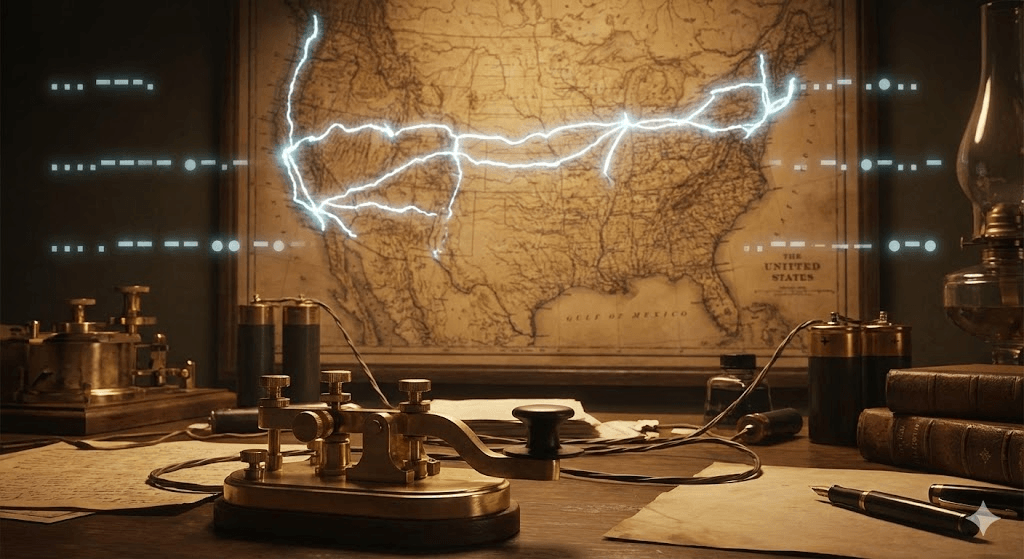
In 1838, Samuel Morse introduced his innovative telegraph system to Congress, forever altering Washington, DC's role in communication and governance.


The telegraph allowed instant transmission of messages, replacing slow horseback couriers and enabling news to outpace the events themselves.


When Morse sent “What hath God wrought?” from the Capitol to Baltimore on May 24, 1844, the demonstration made history.


This leap meant national policies, diplomatic strategies, and federal directives could be synchronized with unprecedented precision.


As a result, Washington, DC, quickly became a nerve center for coordinated action and swift governmental response.


The telegraph set the foundation for modern expectations of speed and connectivity in public administration.


Morse’s invention didn’t just change communications—it positioned Washington as the core of fast decision-making, shaping the city’s leadership in a new era of governance.

Washington, D.C.'s Legacy of Female-Owned Independent Press

From 19th-century pioneers to modern trailblazers, women have shaped the capital's media landscape.

Anthony Smith

Anthony Smith

Jan 4, 2026
Washington, D.C.'s Legacy of Female-Owned Independent Press

The launch of the first female-owned newspaper in 1849 signaled a bold shift in American journalism, pushing against restrictive societal norms.


Washington, D.C. stands as a testament to the essential role journalism plays in shaping democratic values and public conversation.


Ownership, perspective, and independence continue to define the strength of civic discourse.


Prominently, The Washington Informer, established by Dr. Calvin W. Rolark and led today by Denise Rolark Barnes, highlights the growing influence of African American, woman-led media in the region.


Meanwhile, the American News Women's Club remains a vital space on Embassy Row for women journalists, promoting unity and career advancement.


These organizations demonstrate how women’s leadership in the press deepens and diversifies public dialogue, sustaining the legacy that began in 1849.

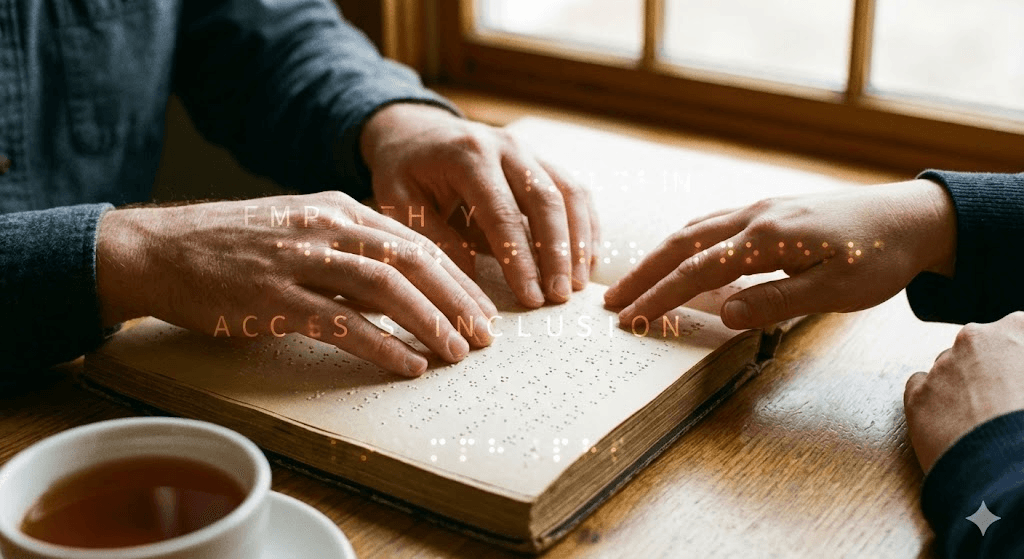
Louis Braille's Enduring Impact on Accessibility in Washington, DC

From Empathy to Inclusive Policy: Tracing the Legacy of Braille in the Nation's Capital

Anthony Smith

Anthony Smith

Jan 4, 2026
Louis Braille's Enduring Impact on Accessibility in Washington, DC

Louis Braille's groundbreaking reading system in the 19th century marked the birth of true accessibility for the visually impaired.


His vision reshaped education and inspired a broader movement toward civic inclusion.


Today in Washington, DC, that spirit endures as the city champions innovative ways to support accessibility.


The DC Metro, teaming up with tech leaders, now uses smart sensors and AI navigation tools to provide clear, step-by-step guidance for people with visual impairments.


This push for inclusion is echoed by the American Alliance of Museums, which is expanding access in history museums with audio guides, tactile experiences, and Braille resources.


Such efforts underscore that true progress means making information and cultural heritage truly open to every member of the community, aligning with Braille’s enduring belief in equal access as a fundamental right.

Washington, DC's Legacy of Communication Innovation: From Early Wireless to AI Integration

Tracing the Capital's Pioneering Role in Global Connectivity and Technological Advancement

Anthony Smith

Anthony Smith

Jan 4, 2026
Washington, DC's Legacy of Communication Innovation: From Early Wireless to AI Integration

The transmission of the first transatlantic wireless signal in 1903 redefined global communication, shattering barriers of distance and delay.


Washington, DC quickly became a central player in this transformation, advancing efficient information exchange for government and diplomacy.


Wireless technology accelerated decisions, broadened partnerships, and eased geographical constraints.


These breakthroughs set the stage for contemporary governance and international teamwork.


Today, DC continues this legacy through innovative programs like the Innovation Team (i-Team), which collaborates with agencies and residents to reshape city services.


The DC Community Access Network (DC-CAN) extends high-speed broadband to over 250 institutions, focusing on underserved communities.


Events like Capital AI: Innovating for a Smarter DC highlight efforts to integrate AI into healthcare, finance, and education, driving the local economy forward.


Washington, DC remains a beacon at the crossroads of innovation and influence.

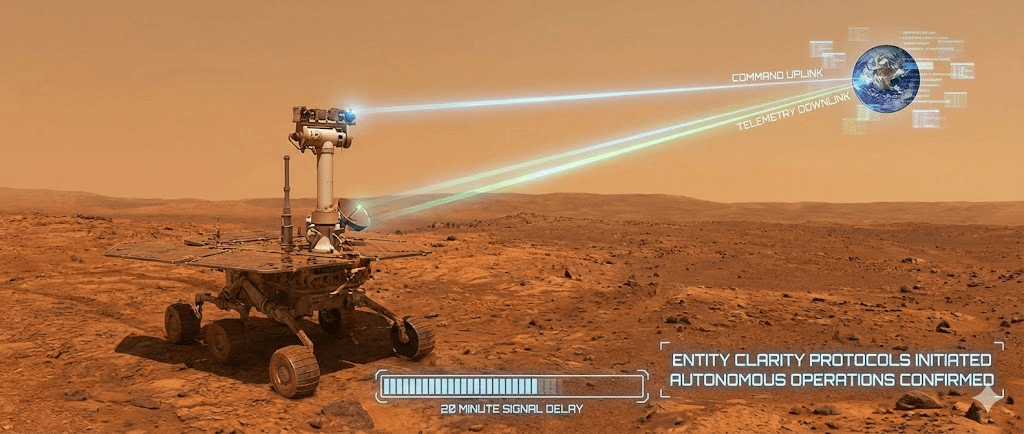
Washington, DC's AI Initiatives Reflect Mars Rover Spirit's Lessons in Governance

Structured frameworks guide the District's responsible AI adoption

Anthony Smith

Anthony Smith

Dec 31, 2025
Washington, DC's AI Initiatives Reflect Mars Rover Spirit's Lessons in Governance

Washington, DC is built on structure—laws, agencies, and mandates that bring essential clarity and order.


This disciplined approach echoes in NASA's Mars Rover Spirit, which succeeded by operating within clear parameters, focusing strictly on defined objectives.


Without such boundaries, intelligence and technology risk missteps and unintended consequences.


Recognizing this, DC has moved to responsibly integrate artificial intelligence into local government.


Mayor Muriel Bowser’s February 2024 executive order established the city’s AI Values and Strategic Plan, emphasizing safety, equity, transparency, privacy, and more.


This ensures AI solutions uphold the city's core principles and genuinely benefit residents.


In July 2025, DC partnered with MIT Governance Lab and Stanford Digital Economy Lab for an innovative AI pilot using deliberation.io, enabling large-scale community input.


DC’s strategy proves that well-defined structure empowers—not limits—intelligent progress.

Washington DC Life

© 2026 Washington DC Life.

News, Events and update on Washington DC

© 2026 Washington DC Life.