

Anthony Smith
Jan 25, 2026
Trivia Question❓During the summer, what popular event in DC features free outdoor movie screenings with the US Capitol Building as a backdrop? Answer at the bottom of the newsletter |


The accidental invention of the first artificial sweetener in 1879 illustrates a timeless insight: significant progress often springs from experimentation, not certainty.
Washington D.C. showcases this spirit with a strong focus on innovation and practical discovery.
Recent efforts underscore this commitment.
In October 2024, Mayor Muriel Bowser awarded $1.8 million to support 17 local startups through the Inclusive Innovation Equity Impact Fund, giving a crucial boost to entrepreneurs who face early-stage funding obstacles.
Building on this approach, the DC Venture Capital Program—launching with $26 million in early 2025—prioritizes budding tech companies led by underrepresented founders.
These targeted investments drive incremental progress, shaping a more dynamic and equitable local economy.
The city’s adoption of ranked-choice voting and open primaries through Initiative 83 demonstrates an ongoing push for system improvements and responsive governance.
This embrace of policy experimentation shows how deliberate, innovative changes can spark enduring, positive shifts in society. Read More... |
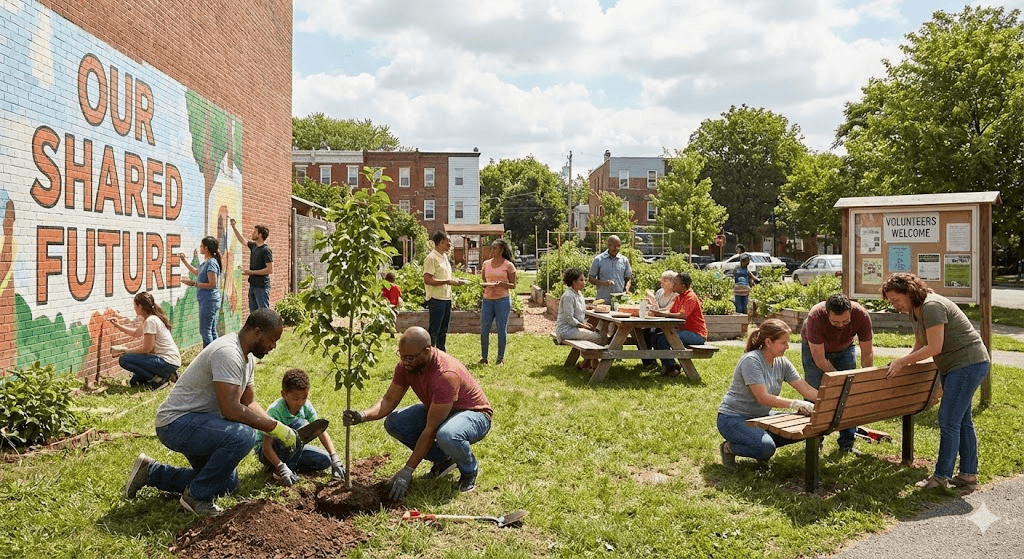
Washington, D.C. honors Martin Luther King Jr. Day on January 19, 2026, with widespread dedication to public service and civic responsibility.
Community members unite in projects focused on shared leadership and building institutional trust.
The George Washington University spearheads its annual MLK Day of Service and Leadership, where participants engage in hands-on service and leadership development.
This gathering promotes the conviction that collaborative efforts strengthen the city’s social fabric.
Meanwhile, Unity of Washington, D.C. invites residents to join “Beautify, Build, Belong – Serving Together in Love,” revitalizing their community through work like painting and organizing.
Nearby, Rockville’s celebration spotlights “Reclaiming the Dream: Justice, Equity, and Action” with forums on inclusive governance and systemic change.
Through these observances, local residents reaffirm Dr. King’s enduring legacy by embracing active participation and collective action. Read More... |
Quote Of The Day |
"Life doesn't give you seat belts. It's a wild ride, and nothing is guaranteed." - Unknown |
Secret Little Hack |
Explore the city during off-peak hours to avoid crowds and long lines at popular attractions. |
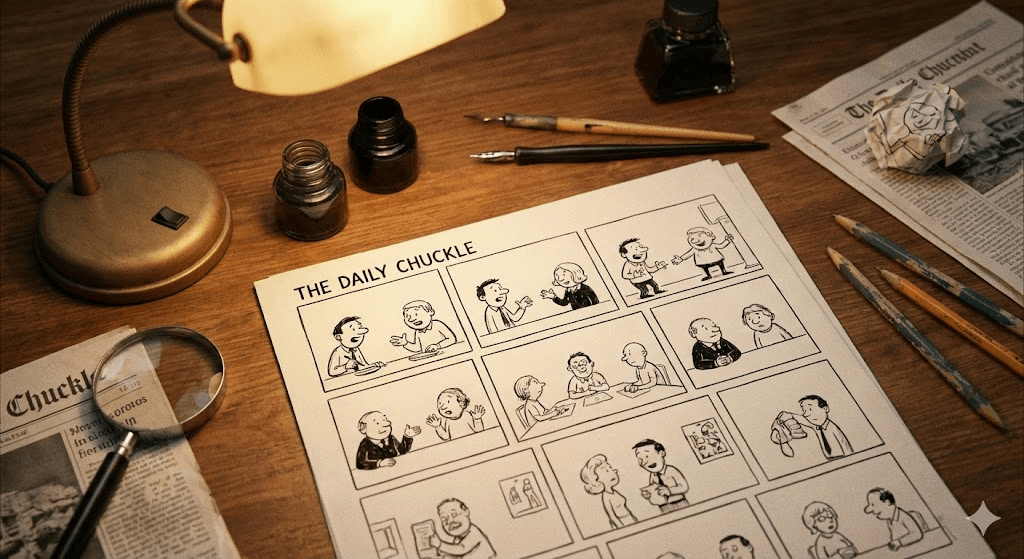
The launch of the first comic strip in 1896 transformed communication, proving that visuals could powerfully enhance how messages are shared.
Newspapers quickly embraced this, pairing images with stories to reach and impact more readers.
In Washington, D.C., a hub of public messaging, this approach highlighted the lasting value of clear, accessible communication.
Visual storytelling—especially in comics—streamlined complex issues, making them easier to understand and remember.
Today, this strategy lives on as the city adapts new visual tools.
Programs like the Department of Buildings’ Vacant-to-Visual initiative enliven vacant areas with art, community spirit, and even digital works via NFTs, while The Washington Post’s expanded Visual Forensics team delivers news through advanced imagery and analysis.
D.C.’s ongoing investment in visual communication shows that capturing attention and fostering engagement are more vital than ever. Read More... |
Joke Of The Day |
Why did the politician go to the bank in DC? To make a withdrawal of votes! |
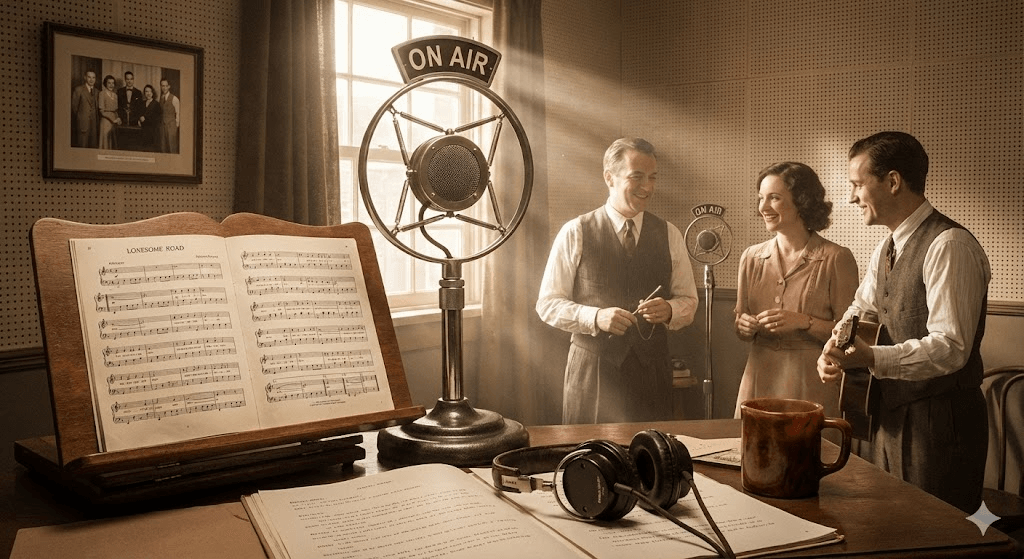
The first public radio broadcast in 1910 marked a turning point, as messages and performances could reach wide audiences all at once, forever changing how communities shared information.
Washington, D.C. has always been at the forefront of effective communication. Radio gave the city new tools to spread news quickly and clearly, strengthening transparency, public engagement, and trust in local institutions.
This innovation still shapes how leaders and citizens connect, making broad participation possible without gathering in person.
The city’s vibrant radio tradition includes major stations such as WAMU, a key NPR outlet since 2007, the all-news powerhouse WTOP-FM, and WPFW, which champions jazz and social justice.
Recently, Mayor Muriel Bowser reopened the Public Safety Communications Center after major upgrades, reinforcing D.C.'s commitment to keeping its residents informed and safe. Radio’s legacy of connection continues through these modern advances. Read More... |
Interesting Facts |
|
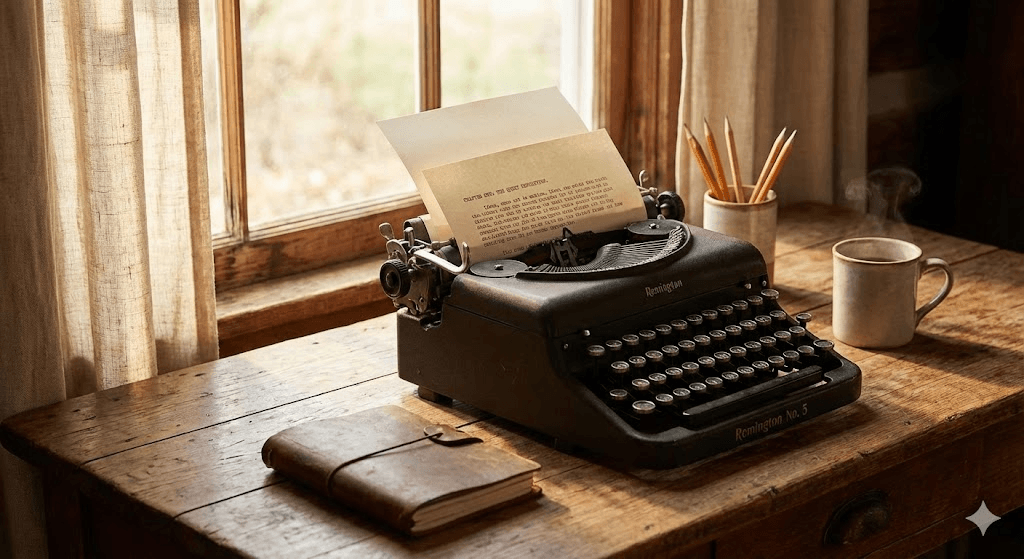
The introduction of the typewriter in 1868 transformed how institutions managed information, bringing new speed and precision to official work.
In Washington, D.C., renowned for its pivotal role in governance, this push for efficient communication laid the groundwork for ongoing innovation.
Today, the District’s Innovation Team (i-Team) within the Office of the Chief Technology Officer exemplifies this spirit, using data analytics and a user-centered approach to collaborate on improving local government efficiency.
Initiatives like DC Community Access Network (DC-CAN) provide robust broadband to hundreds of community institutions, highlighting a commitment to digital equity.
The Open Gov Hub drives transparency and collaboration among civic organizations, while the 10x program empowers public servants to develop tech-focused solutions benefitting residents.
Washington, D.C. continues evolving from mechanical tools to digital platforms, ensuring its commitment to effective, modern governance in a connected world. Read More... |
💡 Answer to Trivia Question: Screen on the Green |