

Washington D.C.'s Digital Evolution: From Macintosh to Modern Innovations |
Tracing the Capital's Journey Towards User-Centric Technology |
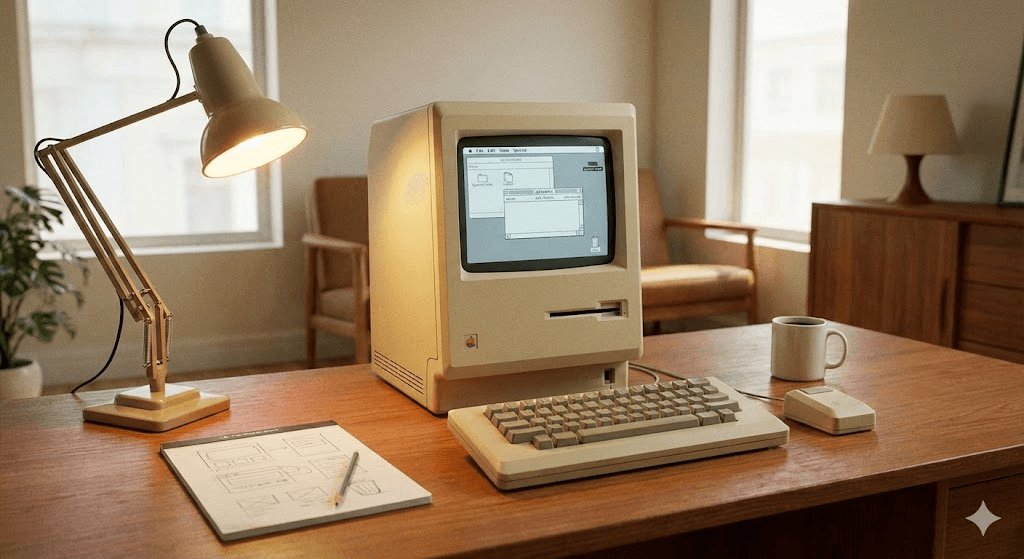
The 1984 debut of the Macintosh revolutionized institutional technology by prioritizing user-friendly computing and visual interaction, making digital tools accessible beyond technical experts.
In Washington D.C., a city where effective communication and coordination are vital, this shift had profound implications. The Macintosh's emphasis on human-centered systems enabled organizations to adopt digital tools more broadly without sacrificing clarity or control.
Fast forward to today, and the capital continues to embrace digital transformation. In October 2025, the Greater Washington region launched Talent Capital, a pioneering digital platform designed to support displaced federal workers. This initiative offers free job matching, career training, reskilling, credentialing, and coaching, combining technology with personalized support to help residents navigate career transitions and connect with meaningful employment opportunities.
Similarly, the Open Gov Hub, established in 2012, serves as a collaborative space for organizations focused on transparency, accountability, and civic engagement. By providing a co-working environment for nonprofits working on governmental reforms through technology, media, research, and advocacy, it underscores the city's commitment to fostering innovation adoption.
These developments highlight a consistent lesson: technology is most effective when it enhances human decision-making. Systems improve when designed around real-world use, not just theoretical capability. As Washington D.C. continues to evolve, the principles introduced by the Macintosh remain relevant, guiding the city's approach to integrating technology in ways that prioritize accessibility and user experience. |
0 Comments
Join the conversation
Be the first to comment
Share your thoughts above.