

Elvis Presley's Legacy Resonates in Washington DC's Music Scene |
Exploring the King's Enduring Influence on the Capital's Cultural Identity |
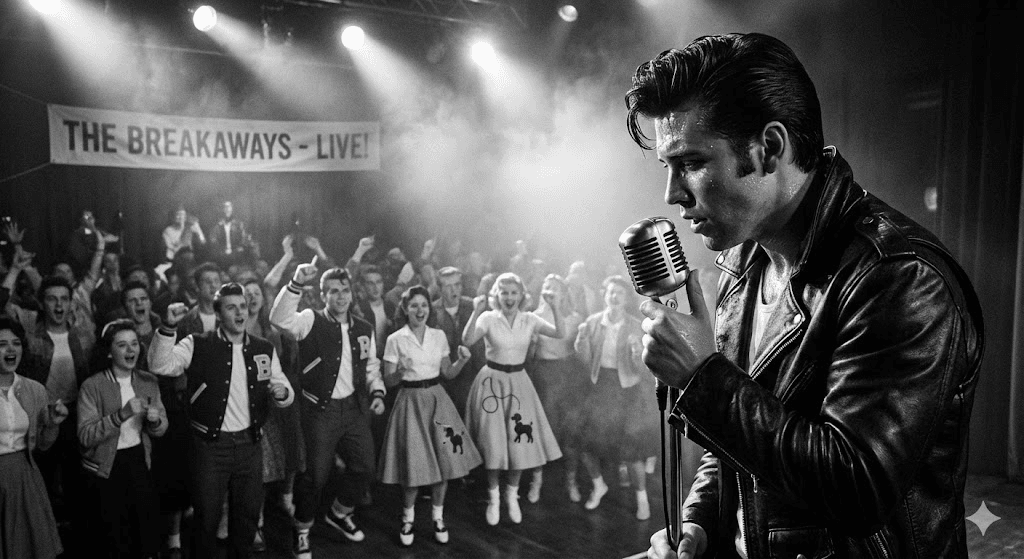
Elvis Presley's birth in 1935 marked the dawn of a transformative era in American music, reshaping how individuals expressed their cultural identity.
His emergence signified a shift where music transcended mere performance to become a powerful presence in everyday life.
This evolution held particular significance for a city like Washington, DC, where tradition and innovation continually intersect.
As the nation's capital, Washington has long balanced its formal political role with a vibrant creative spirit.
While institutions craft policies, culture molds the populace.
Elvis's influence demonstrated how music could operate beyond conventional power structures, providing a voice to emotions, individuality, and social change.
Rock and roll didn't supplant existing musical forms; it expanded the dialogue.
This expansion mirrored Washington's evolving cultural landscape, where music, art, and storytelling became essential tools for expression alongside governance and debate.
Local music scenes in Washington have long embodied this dynamic.
From historic jazz clubs to the pulsating rhythms of go-go music, grassroots venues illustrate how culture flourishes from the ground up.
Elvis's rise validated the notion that local sounds could resonate nationally without losing their roots.
In the contemporary context, Washington's music scene continues to thrive, reflecting this rich heritage.
For instance, on January 4, 2026, the Martin Luther King Jr. Memorial Library hosted a candlelight tribute to Fleetwood Mac, showcasing the city's commitment to honoring musical legends.
Similarly, the Capital One Arena featured a performance by the iconic band Journey, drawing fans from across the region.
These events underscore how Washington remains a hub for musical expression, bridging past influences with contemporary tastes.
What Elvis ultimately offered was cultural permission.
He demonstrated that identity could be bold, expressive, and unapologetically visible.
This permission was crucial in cities like Washington, where communities continually negotiate tradition and transformation.
Washington, DC, continues to thrive as a place where music intersects with meaning—where creative expression remains a vital counterpart to civic life.
Elvis's birthday serves as a reminder that culture doesn't merely accompany history; it actively shapes it.
Music moves people.
And when it does, cities like Washington listen and evolve. |
0 Comments
Join the conversation
Be the first to comment
Share your thoughts above.