

Louis Braille's Enduring Impact on Accessibility in Washington, DC |
From Empathy to Inclusive Policy: Tracing the Legacy of Braille in the Nation's Capital |
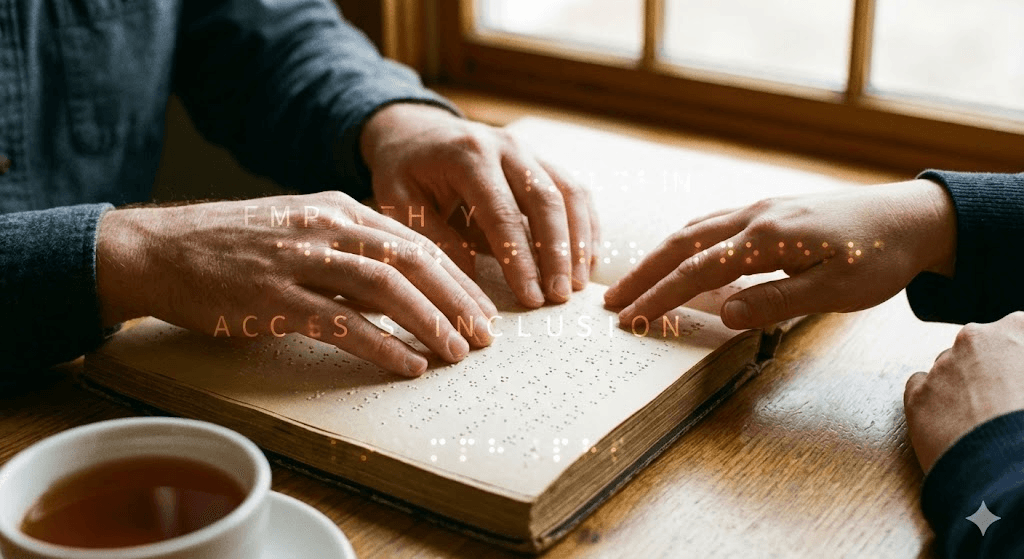
When Louis Braille introduced his revolutionary system in the 19th century, the concept of accessibility was virtually nonexistent.
His innovation not only transformed education for the visually impaired but also laid the groundwork for inclusive policies and a heightened sense of civic responsibility.
In Washington, DC, a city where policy directly influences daily life, the principles of Braille's work continue to resonate.
Recent initiatives underscore this ongoing commitment to accessibility.
For instance, the DC Metro has partnered with technology firms to enhance navigation for the visually impaired, utilizing advanced sensors and AI-driven algorithms to provide precise, step-by-step audio instructions.
Such advancements reflect a broader understanding that true inclusion begins with empathy and proactive design, not merely reactive legislation.
Moreover, cultural institutions in the capital are embracing this ethos.
The American Alliance of Museums has been actively working to make history museums more accessible to the blind and low-vision community.
By incorporating audio descriptions, tactile exhibits, and Braille materials, these efforts ensure that the rich tapestry of our nation's history is available to all.
These developments are a testament to the enduring influence of Braille's philosophy: that access to information is not a privilege but a fundamental right.
As Washington's institutions continue to grapple with the complexities of serving a diverse populace, Braille's legacy serves as a guiding light.
It reminds us that progress is not measured by the speed of innovation but by the inclusivity of its reach.
Ensuring that systems and services cater to everyone, not just the majority, is a civic responsibility that remains as pertinent today as it was in Braille's time. |
0 Comments
Join the conversation
Be the first to comment
Share your thoughts above.