

Washington, D.C.: A Century of Radio Shaping the Nation's Voice |
From the First Broadcast to Modern Public Media Innovations |
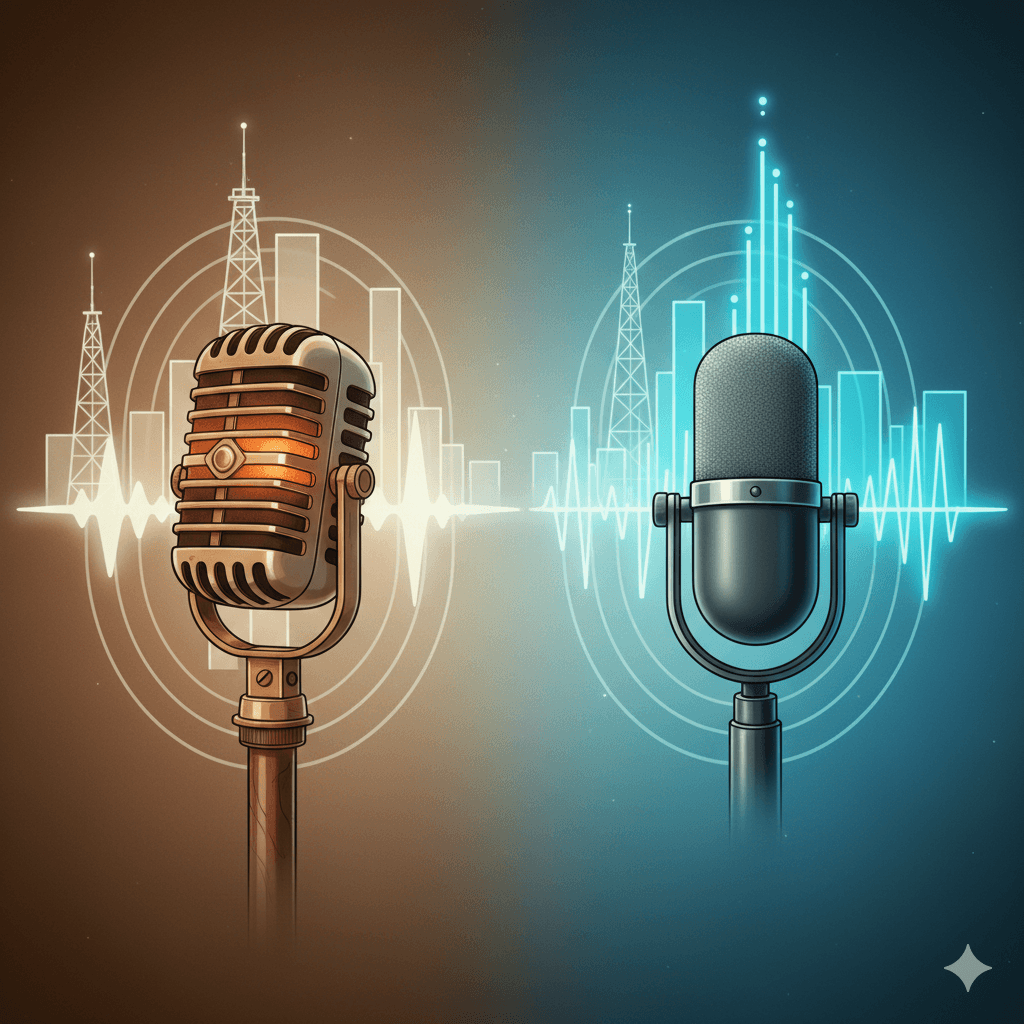
In 1920, as radio waves first crackled to life, Washington, D.C.—already a city of oratory and debate—embraced this new medium, amplifying its role as the nation's communicator.
The immediacy of radio transformed how the capital connected with the country. No longer reliant on print delays, citizens nationwide could hear presidential addresses and congressional debates in real-time, fostering a more intimate link between the government and the governed.
Stations like WAMU, established in 1961, became pillars of public broadcasting, offering a mix of news, cultural programming, and community storytelling. These platforms provided a stage for diverse voices, reflecting the city's multifaceted identity.
In 1977, WPFW launched with a mission to serve Washington's African-American community, blending jazz with progressive news and talk. This initiative underscored radio's power in championing social justice and cultural expression.
Fast forward to 2025, and D.C.'s public media landscape continues to evolve. WETA introduced WETA+, a free streaming service offering on-demand access to PBS and local programming, including shows like "Signature Dish" and "If You Lived Here." This platform exemplifies the shift towards digital accessibility in public media.
Moreover, the city's commitment to community engagement is evident in the establishment of the Go-Go Museum and Cafe in Anacostia. Opened in February 2025, this venue celebrates the rich history of go-go music, intertwining cultural education with culinary experiences.
From its early days of broadcasting to today's digital innovations, Washington, D.C. remains at the forefront of public media, continually amplifying the voices that shape the nation's narrative. |
0 Comments
Join the conversation
Be the first to comment
Share your thoughts above.