

Anthony Smith
Jan 4, 2026
Trivia Question❓In the TV show "The Flash," Barry Allen frequently visits a coffee shop named Jitters. What famous DC Comics character owns the coffee shop? Answer at the bottom of the newsletter |

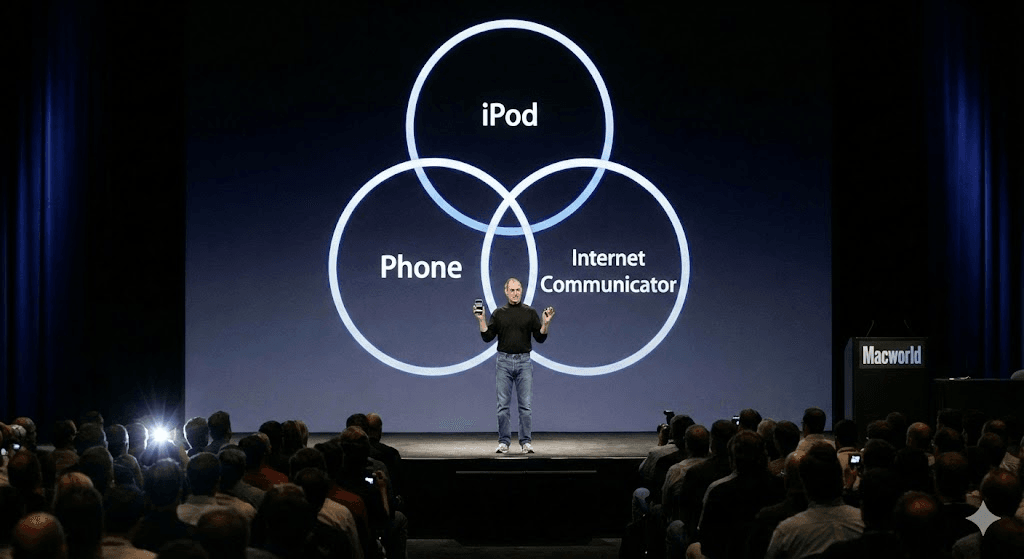
The article discusses how Steve Jobs introduced the iPhone in 2007, inadvertently demonstrating the concept of "Category of One." By positioning the iPhone as a unique, groundbreaking product that stood alone in its category, Jobs effectively engineered a new identity for Apple as a trend-setting innovator. This identity engineering strategy helped Apple establish a strong brand presence and loyal customer following, showcasing the power of creating a distinct category for a product in the market. |
| Read More... |

The debut of the first modern ski resort in 1938 revolutionized American recreation, introducing a new era where leisure became both structured and economically vital.
Washington, DC stands as a prime example of this shift, blending its storied past with cutting-edge tourism opportunities.
The city's embrace of planned leisure is clear from its diverse, dynamic attractions and experiences.
In 2024, DC attracted 27.2 million visitors—a record high that highlights its enduring popularity.
By 2026, the city will unveil the National Geographic Museum of Exploration and an expansive underground museum at the Lincoln Memorial, both designed to engage and educate visitors in unforgettable ways.
These efforts underscore a commitment to the experiential economy, mixing educational value with memorable engagement.
As the nation’s 250th anniversary approaches, DC’s innovative approach ensures tourism boosts both the economy and the community’s cultural life. Read More... |
Quote Of The Day |
"Life doesn't get easier or more forgiving, we get stronger and more resilient." - Steve Maraboli |
Secret Little Hack |
Visit the Smithsonian museums during the week rather than the weekend to avoid crowds. |
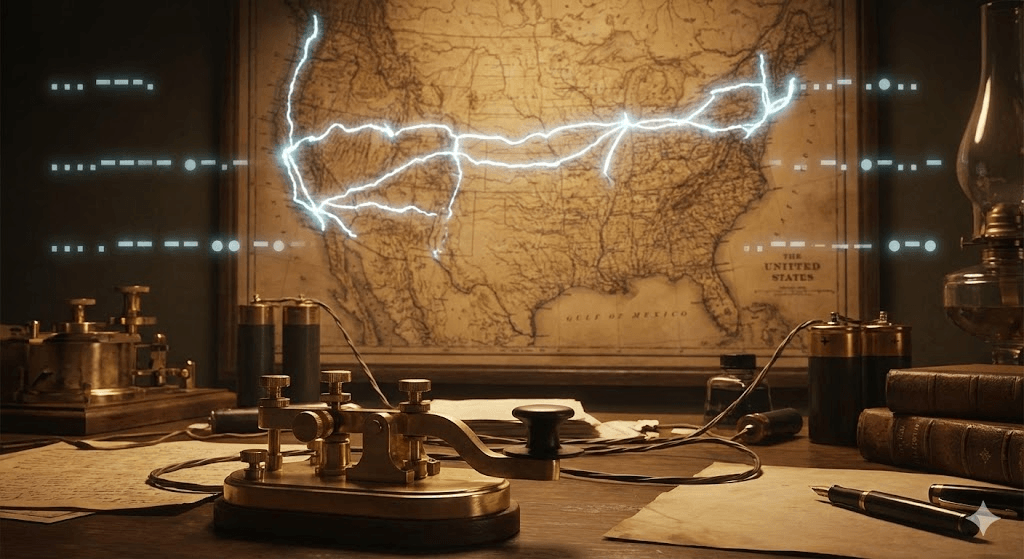
In 1838, Samuel Morse introduced his innovative telegraph system to Congress, forever altering Washington, DC's role in communication and governance.
The telegraph allowed instant transmission of messages, replacing slow horseback couriers and enabling news to outpace the events themselves.
When Morse sent “What hath God wrought?” from the Capitol to Baltimore on May 24, 1844, the demonstration made history.
This leap meant national policies, diplomatic strategies, and federal directives could be synchronized with unprecedented precision.
As a result, Washington, DC, quickly became a nerve center for coordinated action and swift governmental response.
The telegraph set the foundation for modern expectations of speed and connectivity in public administration.
Morse’s invention didn’t just change communications—it positioned Washington as the core of fast decision-making, shaping the city’s leadership in a new era of governance. Read More... |
Joke Of The Day |
Why did the Capitol building get a job at a bakery? Because it's always on a roll! |
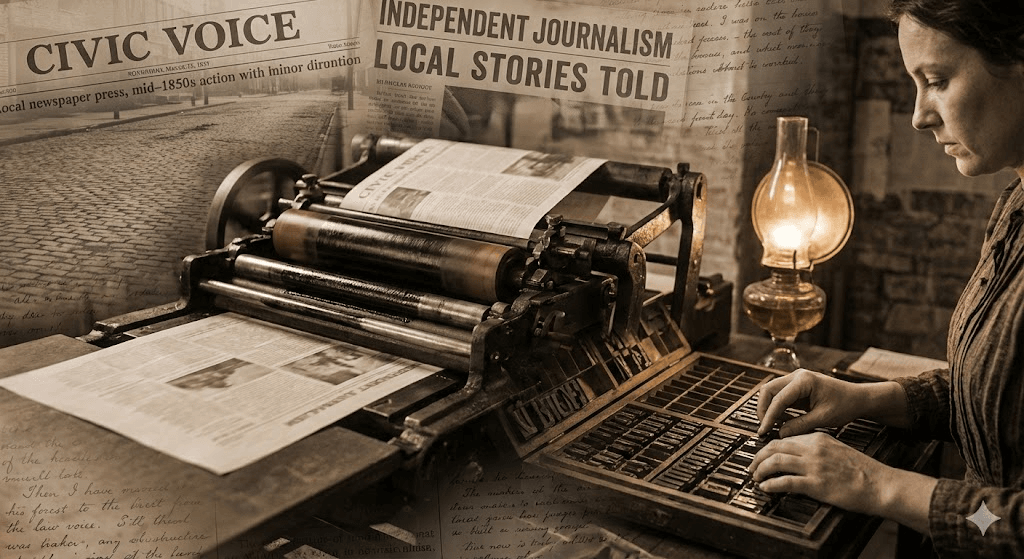
The launch of the first female-owned newspaper in 1849 signaled a bold shift in American journalism, pushing against restrictive societal norms.
Washington, D.C. stands as a testament to the essential role journalism plays in shaping democratic values and public conversation.
Ownership, perspective, and independence continue to define the strength of civic discourse.
Prominently, The Washington Informer, established by Dr. Calvin W. Rolark and led today by Denise Rolark Barnes, highlights the growing influence of African American, woman-led media in the region.
Meanwhile, the American News Women's Club remains a vital space on Embassy Row for women journalists, promoting unity and career advancement.
These organizations demonstrate how women’s leadership in the press deepens and diversifies public dialogue, sustaining the legacy that began in 1849. Read More... |
Interesting Facts |
|
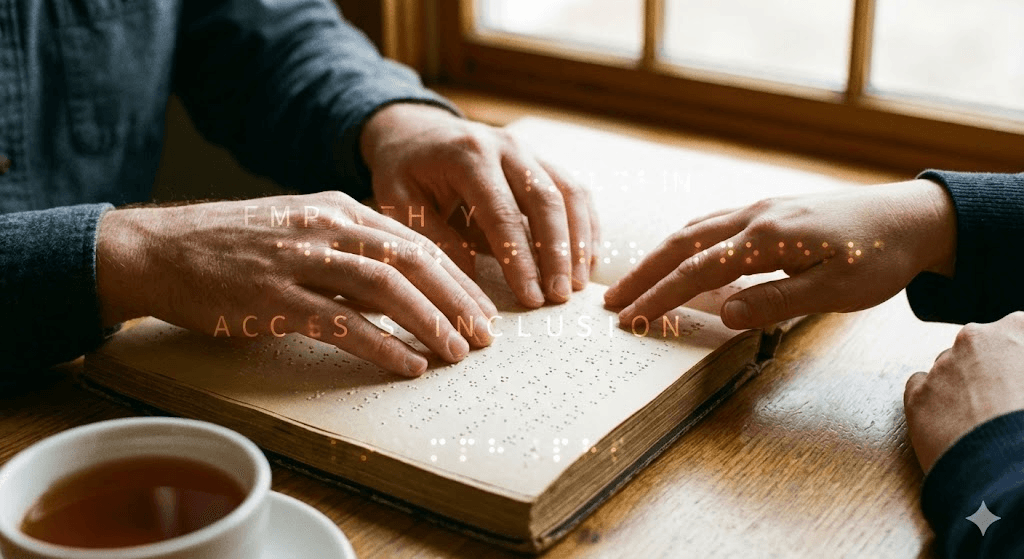
Louis Braille's groundbreaking reading system in the 19th century marked the birth of true accessibility for the visually impaired.
His vision reshaped education and inspired a broader movement toward civic inclusion.
Today in Washington, DC, that spirit endures as the city champions innovative ways to support accessibility.
The DC Metro, teaming up with tech leaders, now uses smart sensors and AI navigation tools to provide clear, step-by-step guidance for people with visual impairments.
This push for inclusion is echoed by the American Alliance of Museums, which is expanding access in history museums with audio guides, tactile experiences, and Braille resources.
Such efforts underscore that true progress means making information and cultural heritage truly open to every member of the community, aligning with Braille’s enduring belief in equal access as a fundamental right. Read More... |
💡 Answer to Trivia Question: Green Arrow |